Golf
Golf-first
Old Marsh Golf Club
An understated, low-density club where the Pete Dye course, caddie culture and pace of play matter most.
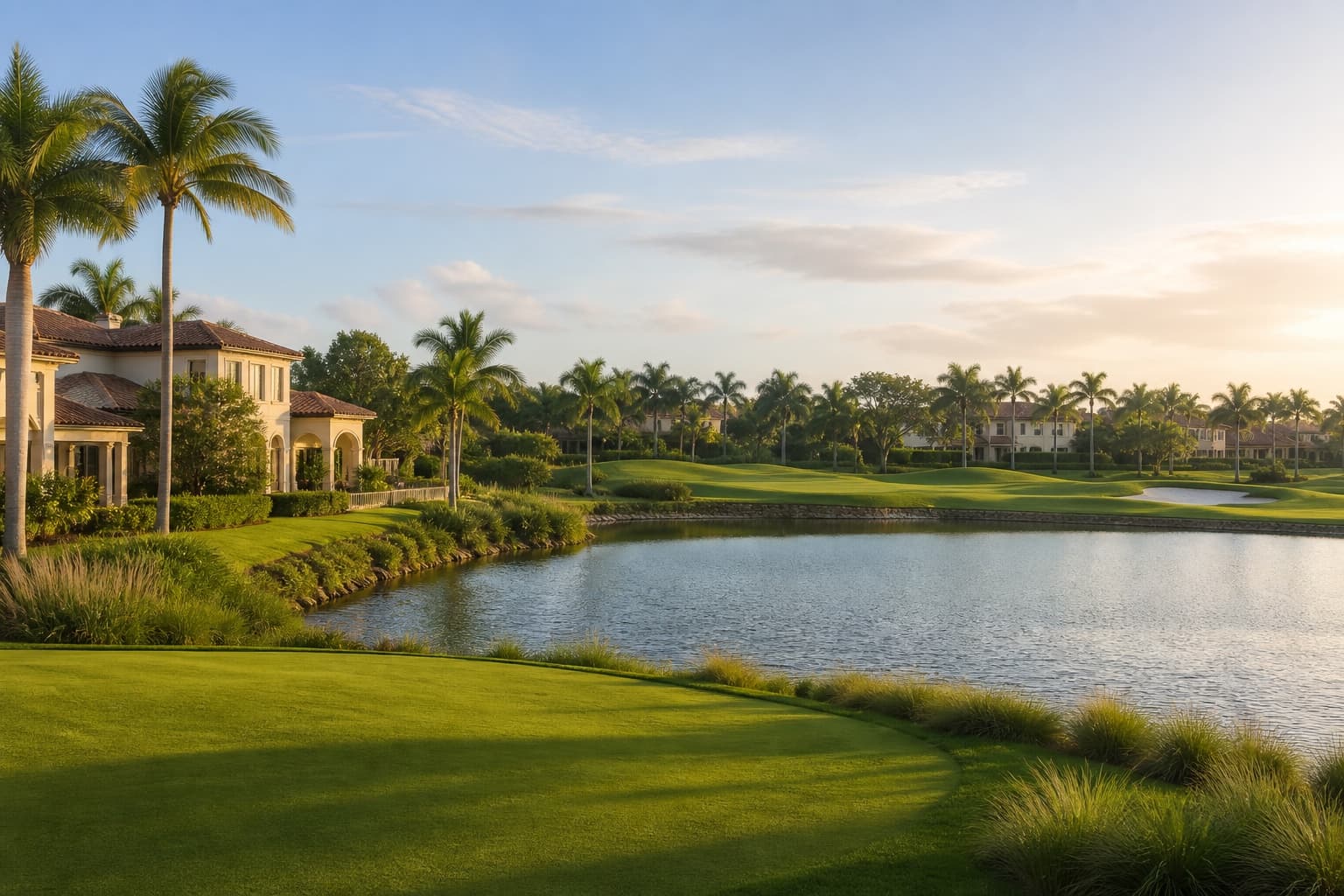
Regional lifestyle illustration—not a photograph of Old Marsh Golf Club.
01 / The lifestyle read
Who tends to fit
Purist golfers who value intimacy, walkability and minimal club spectacle.
Access context
Private golf-community membership; verify current access and residence relationship privately.
Visit the official club website Lifestyle source: official club materials and the launch-market golf guide. Verify current facilities directly.02 / How the club lives
Tennis & pickleball
A supporting amenity rather than the club's primary identity
Spa, fitness & aquatics
Fitness and pool facilities support the resident lifestyle
Dining & social life
Intimate clubhouse dining and member events
03 / What public sources add
Online evidence, clearly labeled
How it plays.
How it gathers.
How it evolved.
These details come from public club, architect, municipal and golf-governing sources. Missing information stays missing—nothing is inferred from silence.
01Golf playability & architecture
- Golf offering
- 18
- Architecture
- Pete Dye
- Published difficulty read
- Demanding
Player fit
Serious golfers who value access, pace, architectural detail, and a low-density member culture.
Practice, academy or instruction facilities are documented in current public club materials.
Check current USGA ratings by tee02Family & social programming
Public materials document racquet programming, fitness & wellness, aquatics, member dining. Family-specific schedules are not yet itemized in this profile.
Racquet programmingFitness & wellnessAquaticsMember diningSocial calendar
03Heritage & renovation timeline
Dated public timeline
- 1987
Pete Dye club established
Old Marsh opened as a golf-purist community built around Dye’s marshland course.
Old Marsh Golf Club - 1998
Audubon certification
The club gained Certified Audubon Cooperative Sanctuary status for its environmental program.
Old Marsh Golf Club - 2004
Pete Dye renovation
Dye returned to revise the course while retaining the property’s natural-marsh identity.
Golf Course Industry
Public-source review: August 25, 2026. Course ratings and programming can change; verify current details before acting.
04 / The residential market beneath it
Parcel-based context
Scale, supply
and liquidity.
Residential parcels establish the denominator. MLS activity describes the market—not the size of the membership.
- Residential parcels
- 199
- Active properties
- 4 2% of parcels
- Active price range
- $3.2M–$4.99M
- Trailing sales
- 12 6% turnover
- Median sold price
- $4.68M
- Median sold $/sf
- $975
05 / Appreciation
10 years
120.2%2016 to 2026 YTD · median sold $/sf5 years
112.9%2021 to 2026 YTD · median sold $/sfPrior year
-2.5%2025 to 2026 YTD · median sold $/sfAppreciation compares the median closed-sale price per positive living square foot for January 1–August 7 of each comparison year. Medians require at least five valid sales.
06 / Ten years of market pace
Closed-sale evidence
Volume, value
and time to contract.
Years follow the closed-sale date. 2026 is year to date through 2026-08-07.
| Sold year | Closed sales | Median sold $/sf | Average DOM | Median DOM |
|---|---|---|---|---|
| 2017 | 12 | $343 | 92.6 | 48.5 |
| 2018 | 7 | $410 | 126.7 | 78 |
| 2019 | 10 | $487 | 108.3 | 78 |
| 2020 | 12 | $395 | 57.4 | 14 |
| 2021 | 12 | $498 | 50.1 | 37.5 |
| 2022 | 9 | $794 | 44 | 42 |
| 2023 | 7 | $786 | 17.6 | 7 |
| 2024 | 4 | Withheld | 38 | 15.5 |
| 2025 | 10 | $987 | 70.6 | 61.5 |
| 2026 YTD | 7 | $972 | 99.7 | 73 |
The private part of the decision
Membership economics
belong in a conversation.
Initiation fees, dues, assessments, waitlists, refundability and transfer rules change—and many clubs intentionally keep them private. Verify the current position directly with an advisor before acting.
Compare verified markets